Site Analysis
An initial review of topography, soil composition, and existing features forms the basis for planning.
Our approach to outdoor spaces involves a structured process of consultation and planning. We consider site characteristics and client considerations to develop a landscape framework.
Begin Consultation Planning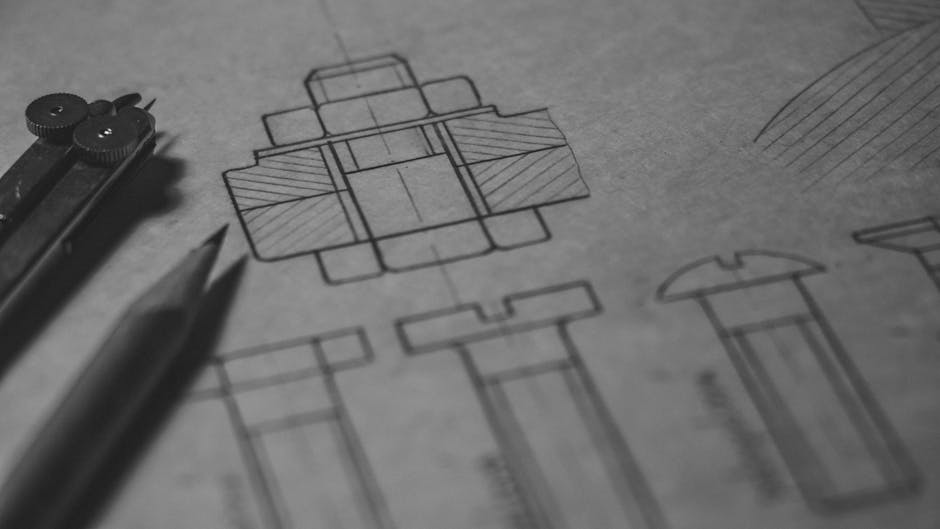
The planning of an outdoor area involves various considerations. These can include spatial organization, material selection, and the integration of plant life. The methodology focuses on creating a structured environment based on site analysis and functional requirements.

SakuraScapes operates through a defined methodology for landscape projects. This framework involves initial site assessment, collaborative discussion, and the development of a design plan. The subsequent phases focus on the logistical aspects of material procurement and site preparation according to the established plan.
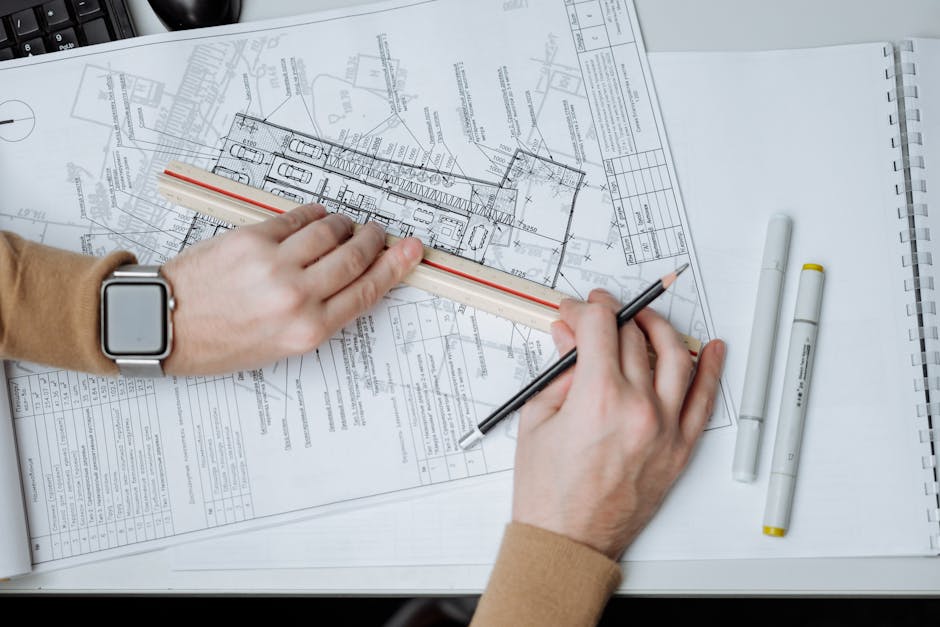
An initial review of topography, soil composition, and existing features forms the basis for planning.
Draft plans are created to visualize potential spatial arrangements and material placements.
A process of identifying and procuring hardscape and plant materials that align with the design draft.
Managing the sequence of tasks for preparing the site and placing materials as per the plan.
The consultation process was informative. The team presented several layout options for our garden, which we considered.
We appreciated the detailed site analysis provided. It helped us understand the considerations for our property's layout.
The coordination for the communal area project was handled systematically. The planned stages were communicated.

In the context of Japan, landscape planning often incorporates considerations for seasonal change and local aesthetics. SakuraScapes acknowledges these factors within its methodological framework. The approach involves selecting plant varieties that are documented to be suitable for the regional climate and considering traditional spatial concepts.
The development of an outdoor area typically involves separating functional zones. One area may be designated for circulation, another for repose, and potentially a space for cultivation. The selection of materials—such as stone for pathways or wood for decking—is part of this zoning process. Drainage, sun exposure, and maintenance access are also standard considerations in the planning phase. The final arrangement depends on the specific characteristics of the property.

The inclusion of non-living features like pathways, walls, or patios within a landscape plan.
Choosing plant types based on factors like growth habits, seasonal interest, and documented hardiness.
Planning for ambient or functional lighting to extend the use of an outdoor space into evening hours.
Incorporating systems for water distribution as a component of the overall landscape framework.
A principle often considered in landscape planning is the relationship between the designed space and its broader environment. This can involve aligning layouts with natural land contours or selecting flora that supports local biodiversity. The aim is to create a space that functions as a coherent part of its setting.
Operating in Japan, SakuraScapes incorporates an awareness of regional design sensibilities into its process. This may involve the application of principles like 'shakkei' (borrowed scenery) or the use of materials with local provenance. These elements are treated as variables within the overall planning framework, adapted to each specific project's context and client input.

A meeting to discuss the project scope and a physical assessment of the property's characteristics.
Creating preliminary layouts and visual references to outline potential spatial organizations.
Finalizing the design plan with specific material choices, quantities, and a phased implementation outline.
The phase involving site preparation and the physical placement of hardscape and plant materials.
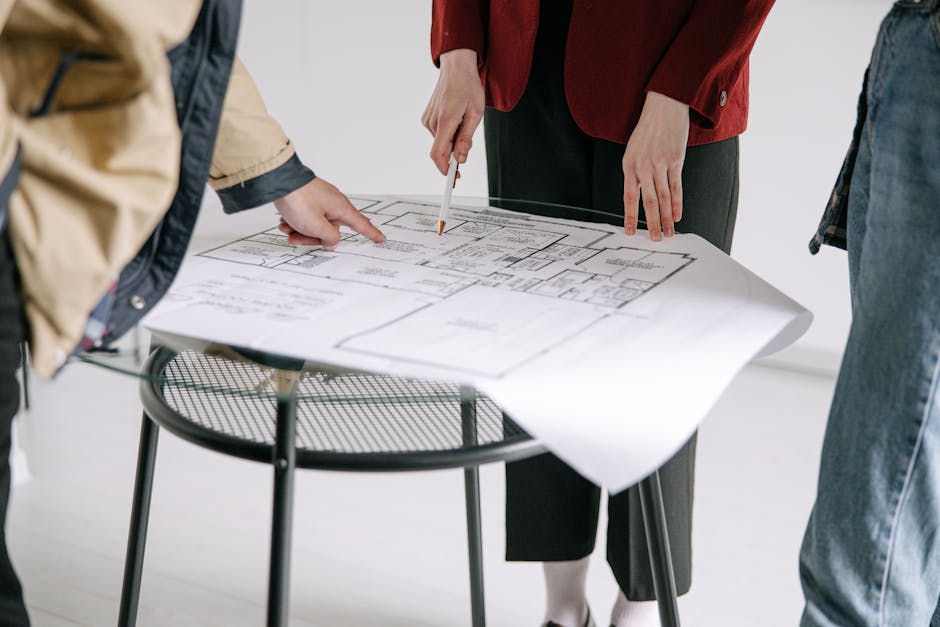


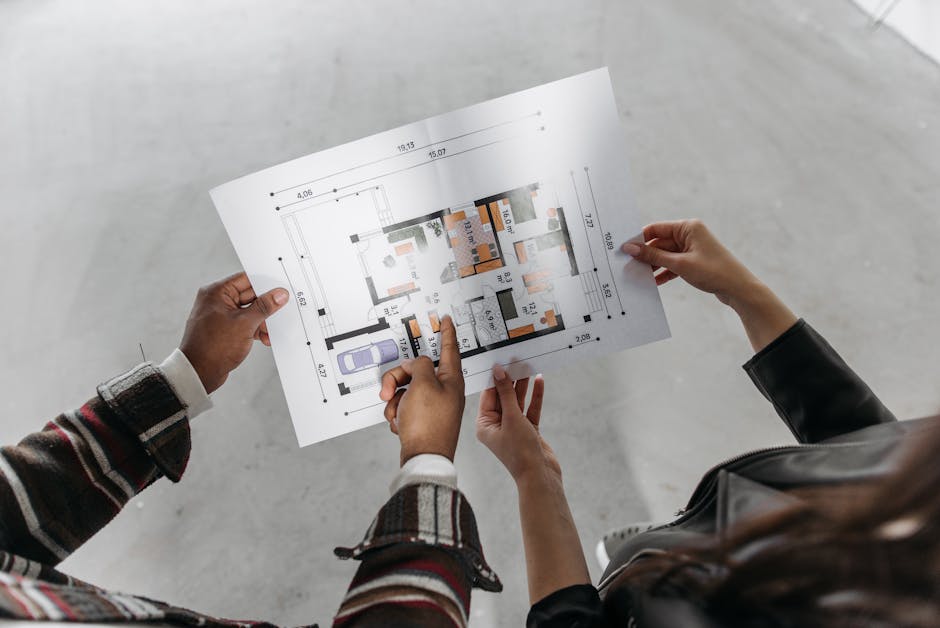
Engaging in a structured planning process for an outdoor space can provide a clear framework for development. It allows for the consideration of multiple factors—such as usage patterns, budget parameters, and long-term upkeep—before physical work begins. This methodological approach is intended to organize the project components.
The SakuraScapes method is fundamentally collaborative. Input from the client regarding preferences and functional needs is integrated into the technical and aesthetic planning stages. This dialogue ensures the resulting design draft reflects a synthesis of professional methodology and client perspective, forming a guide for the installation phase.

A final walkthrough to compare the installed landscape with the approved plans and specifications.
Providing information on suggested practices for watering, pruning, and general upkeep of the new landscape.
Completion of administrative items and an opportunity for clients to share their perspective on the process.
For clients interested in ongoing support, a separate discussion regarding maintenance scheduling can be initiated.
To initiate a consultation regarding your property, please provide your details below. A member of our team will contact you to schedule an initial discussion.